Can You Really Buy a Pre-Foreclosure, Short Sale, or Auction Home for a Huge Discount?
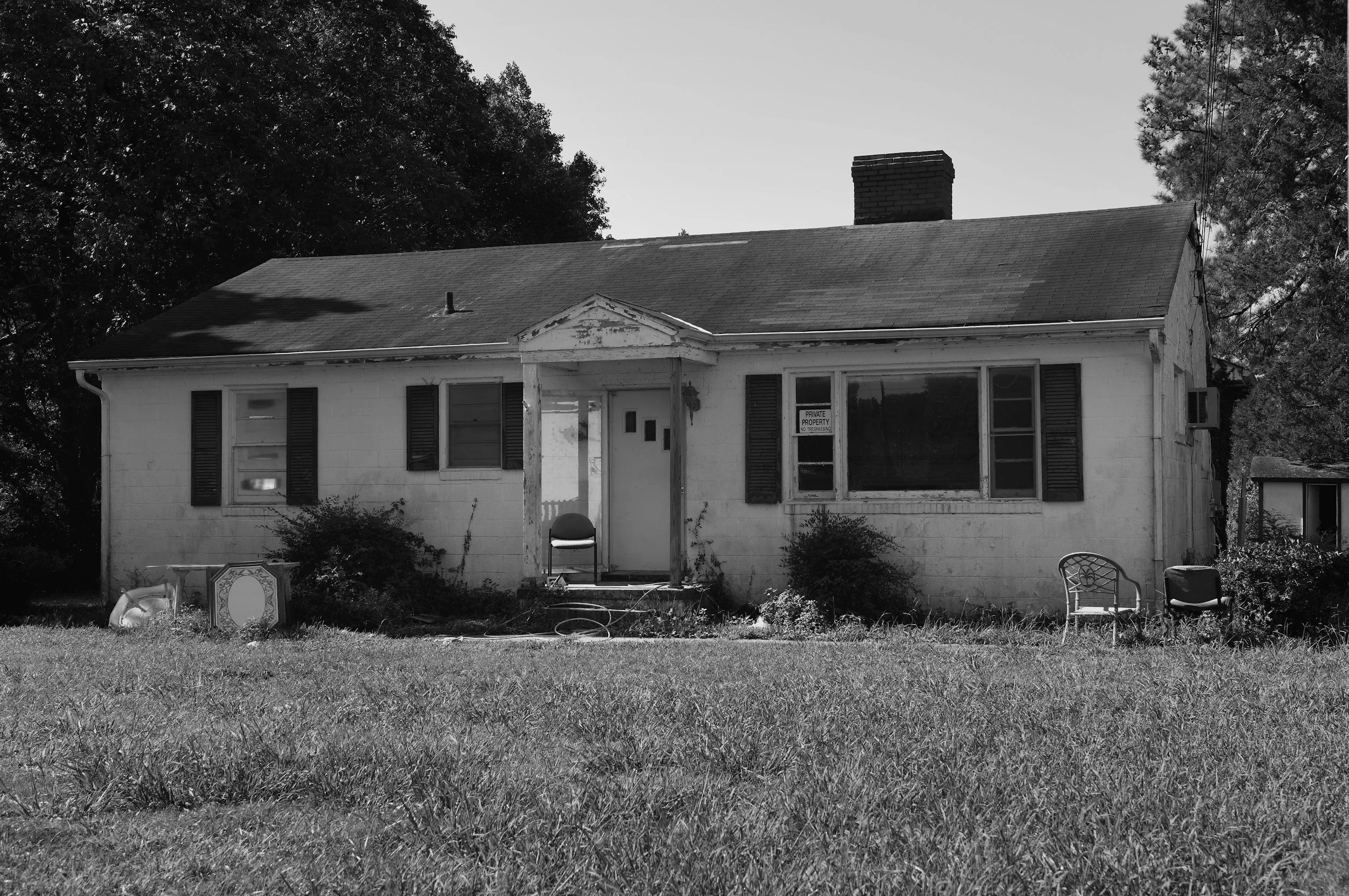
Are those ads telling the truth when they promise you can buy a pre-foreclosure, short sale, or auction property and save a fortune? Sometimes, yes. But the part most people miss is that distressed-property deals are real opportunities wrapped in very real competition, complexity, and risk.
If you are hoping to find an overlooked bargain that no one else has seen, that is usually not how this market works. In this guide, I’ll explain what these properties are, when the opportunity is real, why the process is harder than the ads make it sound, and how to decide whether this path actually fits your goals.
TL;DR
Yes, distressed-property deals exist, including pre-foreclosures, short sales, and auction homes.
No, they are not easy money or guaranteed bargains.
In today’s market, experienced investors, wholesalers, flippers, and institutional buyers often compete for the same properties.
The best-looking deals usually come with speed, uncertainty, repair costs, title issues, or financing challenges.
A short sale can offer value, but it often requires patience and lender approval.
Auction properties can be attractive, but buyers may face limited inspections, cash requirements, and higher risk.
Pre-foreclosures can create opportunities, but they are not automatically below-market deals.
If you are a first-time buyer, a “discounted” distressed property can become expensive quickly if you underestimate repairs or legal issues.
The smartest approach is to treat distressed property as a specialized strategy, not a shortcut.
What Is a Pre-Foreclosure, Short Sale, or Auction Property?
A pre-foreclosure is a home where the owner has fallen behind on payments, but the property has not yet completed the foreclosure process.
A short sale is a sale where the lender agrees to accept less than the amount owed on the mortgage.
An auction property is typically sold through a public auction, often after a foreclosure process has advanced or completed.
These properties matter because they can sometimes be priced below comparable homes. The goal for a buyer is simple: find value. The challenge is that value in this space is rarely straightforward.
Who This Strategy Is Best For
This approach is usually best for:
Buyers with cash reserves
Investors who understand repairs and resale risk
Experienced homebuyers comfortable with uncertainty
Buyers who can move quickly
People who can afford surprises without destabilizing their finances
It is usually not ideal for:
First-time buyers with thin savings
Buyers who need a home to be move-in ready
Anyone relying on a tight closing timeline
Buyers who are uncomfortable with legal, title, or condition risk
Families who need predictability more than upside
Are the Savings Real?
Yes, the savings can be real. But they are rarely effortless.
That is the central truth. Distressed-property advertising often sells the idea of hidden inventory and massive discounts. In practice, the market is much more efficient than many people assume.
Back during the 2008 housing crash, there were periods when distressed inventory was so widespread that genuine bargains were easier to find. Today, the environment is different. The minute a property looks like a deal, other buyers are already paying attention.
That includes:
Investors
Wholesalers
Flippers
Hedge funds
Agents who specialize in distressed sales
Buyers who track these opportunities full-time
The result is simple: you are rarely the first person to notice a promising deal.
Why Distressed Properties Are Harder Than the Ads Make Them Sound
The deal is only one part of the transaction. The process is the other part.
This is where many buyers get tripped up. A lower asking price can be offset by hidden costs, delays, or outright deal failure.
1. Competition is intense
If a property is obviously underpriced, it will attract attention quickly. The distressed market is not invisible. It is heavily watched.
Choose this route if you are prepared to compete. Avoid it if you are assuming the word “foreclosure” automatically means no one else is interested.
2. Condition is often uncertain
Many distressed homes need repairs. Some need major repairs.
That can include:
Roof issues
Plumbing or electrical problems
Deferred maintenance
Water damage
Mold
HVAC replacement
Cosmetic neglect hiding structural concerns
A home that looks discounted on paper can become expensive after repairs.
3. Financing can be harder
Some distressed homes do not qualify for conventional financing because of their condition. Auction purchases may require cash or very fast proof of funds.
If you need a standard mortgage and the property needs significant work, your choices may narrow fast.
4. Title and legal issues can surface
With distressed sales, especially at auction, there may be liens, unpaid taxes, occupancy issues, or title complications.
This is one of the biggest reasons inexperienced buyers get hurt. A cheap purchase price does not protect you from a messy legal problem.
5. Timelines are unpredictable
Short sales are especially known for this. A lender can take weeks or months to approve a deal, and approval is never guaranteed.
If you need certainty, this can be a poor fit.
How Each Type of Distressed Property Really Works
Pre-Foreclosure
A pre-foreclosure can be an opportunity, but it is not automatically a bargain.
What it is
The homeowner is behind on mortgage payments, but the property has not yet been foreclosed on.
Why it matters
Some sellers in this position want to avoid foreclosure and may be motivated to sell.
How to approach it
Verify the stage of distress
Evaluate the property like any other purchase
Run comparable sales
Estimate repair costs conservatively
Work with professionals who understand distressed transactions
What buyers miss
Being in pre-foreclosure does not mean the seller will accept a deep discount. Some owners still have equity. Others may be unrealistic about price. Some resolve the default and never sell at all.
Short Sale
A short sale can create value, but lender approval controls the process.
What it is
The sale price is less than the mortgage balance, and the lender must approve the transaction.
Why it matters
The lender may accept less than what is owed to avoid a more costly foreclosure process.
How to approach it
Expect delays
Submit clean, complete offers
Stay organized with documentation
Confirm whether multiple lenders are involved
Have patience and a backup plan
What buyers miss
A short sale is not just a negotiation with the seller. It is also a negotiation with the lender. That adds friction, delay, and uncertainty.
Auction Property
Auction properties can offer strong pricing, but they usually come with the highest risk.
What it is
The property is sold at a public auction, often under strict terms.
Why it matters
You may be able to buy below market value, especially if fewer bidders participate or the property has significant issues.
How to approach it
Read the auction terms carefully
Research title thoroughly
Know whether the property is occupied
Confirm deposit requirements
Set a strict maximum bid
Budget for repairs and legal costs
What buyers miss
Many auction purchases allow limited or no inspection. Some require fast closing or cash. That can turn a promising price into a very expensive mistake.
A Simple Decision Rule
If you are buying a distressed property, use this rule:
Choose it if you understand the risks, have financial cushion, and can handle repairs or delays.
Avoid it if the only thing making the deal attractive is the low price.
That is the point many people overlook. A discounted home is not automatically a good investment. It has to make sense after repairs, carrying costs, financing realities, and resale or livability issues.
Common Mistakes Buyers Make
Assuming “distressed” means “cheap”
Some distressed properties are priced aggressively from the start because sellers, agents, and lenders know demand exists.
Underestimating repair costs
Buyers often budget for visible problems and miss the expensive ones behind walls, under floors, or inside outdated systems.
Ignoring transaction costs
Closing costs, holding costs, insurance, taxes, cleanup, utility reconnection, legal work, and contractor delays all matter.
Bidding emotionally
Auctions especially can push buyers into overpaying. A property is only a deal if the math still works after all costs are included.
Skipping due diligence
When buyers move too fast, they miss title issues, occupancy problems, or financing restrictions that can destroy the economics of the deal.
Thinking this is a beginner-friendly shortcut
For many first-time buyers, a conventional purchase is actually safer and financially smarter than chasing a distressed-property discount.
FAQ
Are pre-foreclosure homes always cheaper?
No. Pre-foreclosure simply means the homeowner is behind on payments. The property may still be listed near market value, especially if the owner has equity or believes demand is strong.
Is a short sale better than a foreclosure auction?
It depends on your priorities. A short sale usually offers more time for due diligence but less certainty on approval. An auction may move faster, but it often carries more risk.
Can I finance a foreclosure or auction property?
Sometimes, but not always. It depends on the property condition, auction rules, and lender requirements. Some deals require cash or specialized financing.
Why do investors seem to get these deals first?
Because many investors monitor distressed inventory constantly, move quickly, and know how to evaluate risk. In a competitive market, speed and experience matter.
Are distressed properties worth it for owner-occupants?
They can be, especially if the buyer has flexibility, savings, and realistic expectations. But they are rarely the easiest path to stable homeownership.
Do auction homes always sell below market value?
No. Bidding can push prices up, and hidden issues can erase any apparent discount. The winning bid is only one part of the total cost.
Next Steps: What I’d Do Before Chasing a Distressed Property
If you are seriously considering this path, start here:
Get clear on your real goal: homeownership, investment return, or a fixer with upside
Set a maximum all-in budget, not just a purchase price
Build a repair and contingency reserve
Study comparable sales in the target neighborhood
Talk with a real estate agent or attorney who understands distressed transactions
Review financing options before making offers
Walk away from deals that only work if everything goes perfectly
That last point matters. Distressed-property buying is not about optimism. It is about disciplined decision-making.
Final Takeaway
You can absolutely buy a pre-foreclosure, short sale, or auction property and save money. The opportunity is real. But so is the competition, the complexity, and the risk.
The biggest mistake is treating distressed real estate like a secret shortcut to easy wealth. In today’s market, the better mindset is this: a distressed property is a specialized purchase strategy that rewards preparation, patience, and clear-eyed math.
If the numbers work after repairs, delays, title review, and financing constraints, it may be a strong move. If the deal only looks good in the ad, keep walking.
Thinking about buying, selling, or investing on the Eastside? Talk with Howard and Jeff.